
Introduction
If you’ve never come across the term KPI, or if you’ve heard it but aren’t exactly sure what it means, you’re in the right place. Understanding KPI meaning is crucial for anyone running or managing a business, department, or even a small team.
KPI stands for Key Performance Indicator — a measurable value that shows how effectively a company or individual is achieving key objectives. In short, KPIs are tools that help you stay focused on what really matters.
In this article, you’ll learn:
- The true KPI meaning and why it’s important
- Where the idea of KPIs comes from
- How KPIs are used in real-world business contexts
- Practical examples of KPIs in different departments
- Common mistakes companies make when setting KPIs
- Tips on how to choose the right KPIs for your organization
What Does KPI Stand For?
KPI is an abbreviation for Key Performance Indicator. At its core, a KPI is:
A specific, quantifiable measurement that shows how effectively a business, team, or process is performing in relation to its objectives.
Think of KPIs as a scoreboard for your business. Whether you’re tracking monthly sales, employee satisfaction, or response time in customer support, KPIs give you clear, data-driven insights into what’s working — and what isn’t.
Want to start tracking KPIs fast?
Check out our plug-and-play KPI tools — no coding, no setup, just results.
Why Is the KPI Meaning So Important?
Understanding the KPI meaning goes beyond just knowing the definition. It’s about realizing that what you measure influences what you improve. Businesses that define and track their KPIs properly are far more likely to:
- Stay aligned with strategic goals
- Detect inefficiencies early
- Make smarter, data-based decisions
- Boost overall performance
Where Did KPIs Come From?
The concept of KPIs is rooted in Management by Objectives (MBO), a framework popularized in the 1950s by business thinker Peter Drucker. Drucker emphasized the importance of setting clear goals and measuring progress toward them — a principle that later evolved into what we now call KPIs.
By the 1990s, the Balanced Scorecard framework by Kaplan and Norton took this idea to the next level. It introduced a more structured way to use KPIs across financial, operational, and customer-focused dimensions of business.
Today, KPIs are everywhere: from manufacturing plants and finance departments to tech startups and marketing teams.
Real-World Examples of KPIs
Every team and department can (and should) define its own KPIs. Here are some examples across common business functions:
🔹 Sales KPIs
- Monthly revenue growth
- Number of new customers
- Average deal size
- Sales conversion rate
🔹 Customer Support KPIs
- First response time
- Customer Satisfaction Score (CSAT)
- Number of tickets resolved in first contact
- Net Promoter Score (NPS)
🔹 Human Resources KPIs
- Time to hire
- Employee retention rate
- Training hours per employee
- Absenteeism rate
🔹 Finance KPIs
- Gross profit margin
- Operating cash flow
- Return on investment (ROI)
- Debt-to-equity ratio
KPIs should be tailored to your company’s goals, not just picked from a generic list.
Common Mistakes When Working With KPIs
Misunderstanding the KPI meaning often leads to serious business mistakes. Here are some of the most common ones:
- Tracking too many KPIs: More isn’t always better. It’s easy to get overwhelmed by data.
- Choosing vanity metrics: Just because a number looks good doesn’t mean it drives value.
- Not aligning KPIs with strategy: Every KPI should reflect a core business goal.
- Failing to update KPIs: As your business evolves, your KPIs should too.
If your KPIs don’t lead to clear decisions or actions, they’re not helping your business.
How to Choose the Right KPIs
Here’s a simple 4-step process to help you pick KPIs that actually move the needle:
- Start with your business goals – What are you trying to achieve?
- Identify the drivers of those goals – What activities or processes impact success?
- Define measurable indicators – Use specific, quantifiable metrics.
- Review and refine regularly – KPIs should evolve as your business grows.
💡 Pro Tip: Use the SMART method – KPIs should be Specific, Measurable, Achievable, Relevant, and Time-bound.
Debunking KPI Myths
Let’s clear up a few common misconceptions around KPI meaning:
- ❌ “KPIs are only for big companies.”
✅ Even small businesses and solo entrepreneurs can benefit from tracking key metrics. - ❌ “KPIs are complicated.”
✅ A KPI can be as simple as “number of new clients this month.” What matters is that it’s relevant and measurable. - ❌ “Once set, KPIs don’t change.”
✅ Your goals evolve — and your KPIs should too.
Summary: Why You Should Care About KPI Meaning
Understanding the meaning of KPI gives you an edge. It allows you to:
✔ Track performance with clarity
✔ Stay focused on strategic goals
✔ Identify what’s working — and fix what’s not
✔ Make decisions based on facts, not guesswork
✔ Build a culture of accountability and improvement
Whether you’re managing a startup, leading a team, or running a large company, KPIs are not just useful — they’re essential.
Ready to Start Using KPIs?
If you’re new to KPIs and need help identifying the best ones for your business, we’ve got you covered.
-
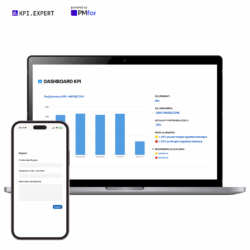
FIRST KPI – STARTER
$177.00 z VAT -

KPI Implementation Checklist
$29.70 z VAT
