
🎯 Intro
KPI NPS is one of the most widely used metrics for measuring customer loyalty. In this article, you’ll learn how the Net Promoter Score works, how to calculate it, what a good NPS score looks like, and what to do when your results decline. Practical insights and ready-to-use tools included.
1. Why measure this KPI?
Without regularly tracking NPS, companies lose visibility into customer satisfaction. Disappointed customers leave silently, and the organization lacks insights to make improvements. KPI NPS helps detect dissatisfaction early—before it impacts revenue. It’s not just a marketing metric—it’s a powerful operational tool used in sales, support, product development, and HR.
2. What business goal does NPS support?
NPS supports the goal of building long-term customer loyalty, increasing satisfaction, and gaining referrals—without spending heavily on advertising. Regular NPS tracking also reduces churn and helps optimize the customer experience.
Start tracking NPS now – no setup, no code.
👉 Use the ready-to-go tool.
3. KPI Definition – What does NPS measure?
The Net Promoter Score measures how likely your customers are to recommend your company. It’s based on a single question:
“How likely are you to recommend our company to a friend or colleague?”
Respondents answer on a scale from 0 to 10:
- Promoters (9–10) – loyal and likely to refer others
- Passives (7–8) – satisfied but unenthusiastic
- Detractors (0–6) – unhappy customers who may discourage others
4. How to calculate KPI NPS?
NPS formula:
iniKopiujEdytujNPS = % Promoters – % Detractors
Example:
- 60% are Promoters
- 25% are Detractors
- 15% are Passives (not included in the score)
NPS = 60% – 25% = 35
The result ranges from -100 to +100.
5. What is a good NPS score?
- Above 50 – Excellent loyalty
- 0 to 50 – Acceptable but room for growth
- Below 0 – Problematic (more detractors than promoters)
Industry benchmarks:
- SaaS: 30–50
- E-commerce: 40–60
- Financial Services: 20–40
- B2B: 30+
6. What to do if your NPS drops?
| Problem | Possible Cause | Corrective Action |
|---|---|---|
| Fewer promoters | Declining service quality, lack of value | Conduct CX audit, improve processes |
| More detractors | Support issues, product defects | Investigate complaints, fix root causes |
| Low feedback rates | No follow-up after survey | Segment follow-ups, personalize outreach |
| Low engagement | Survey fatigue, poor survey format | Change channel or shorten the survey |
7. Common NPS mistakes
- Averaging scores instead of using the correct formula
- Ignoring segmentation (e.g. B2B vs B2C, new vs returning customers)
- Overlooking customer comments, losing context and insights
8. What decisions can be based on KPI NPS?
- Identify your most loyal customer groups for retention and CRM
- Pinpoint experience gaps (e.g. onboarding, UX, support)
- Prioritize product or service improvements
- Set operational KPIs and motivate teams with real-time NPS feedback
9. How to implement NPS quickly?
No need to build a system from scratch. The ready-to-use KPI NPS system at KPI.expert lets you:
- collect feedback without coding
- analyze NPS trends by segment and over time
- automate alerts and corrective workflows
🔗 See the ready-to-use KPI system for NPS tracking – click here »
-
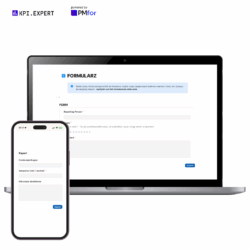
KPI : NPS
$297.00 z VAT
10. Summary
KPI NPS is a simple yet powerful way to measure customer loyalty. It helps you act on early warning signs before revenue drops, supports CX improvements, and serves as a leading indicator of growth. The best part? You can implement it today with the ready-made solution from KPI.expert.
